

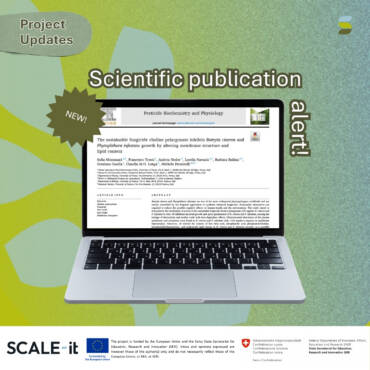
New SCALE-it scientific publication explores how a sustainable fungicide acts against major plant pathogens
New SCALE-it-supported research explores how choline pelargonate acts against Botrytis…

Voices of SCALE-it: Advancing Biocontrol for Plant Health
Innovation must reach farmers to create impact. Through eight videos…

Two EU Projects join forces to redefine organic farming
SCALE-it and BIO² are joining forces to replace contentious inputs…
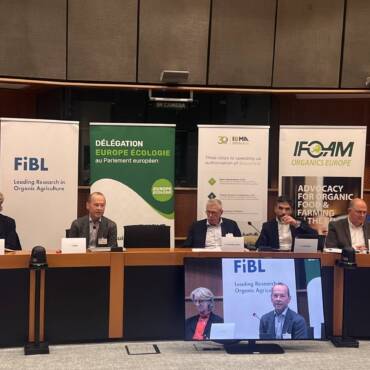
SCALE-it presented at the “Biocontrol in organic: managing plant health with complementary practices” event at the EU Parliament
On 10 December 2025 at the European Parliament, SCALE-it contributed…

SCALE-it holds its first Annual General Meeting in Granada
On 4 – 6 November the SCALE-it consortium met in…

SCALE-it project kicks off with its first 3-day meeting
In mid-June, the project consortium gathered at FiBL Switzerland in…
