
Skip to content Skip to footer
  Inputs      Conventional fertilisers

Conventional fertilisers

Manures from non-organic farms and rock phosphates are considered problematic in organic plant nutrition due to the presence of contaminants (in the case of manures from non-organic farms), the usage of non-renewable sources (in the case of rock phosphates) as well as the structural dependency on conventional farms.
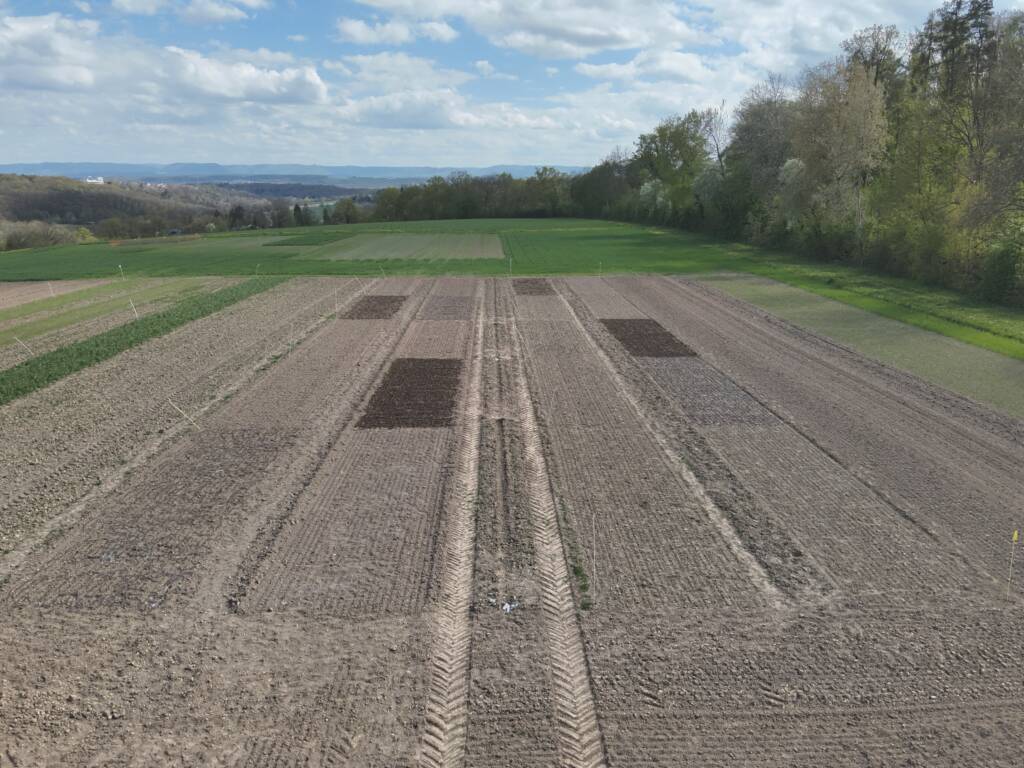
Different farm types have different nutrient needs, and inputs of nitrogen, phosphorous and potassium are particularly important for stockless farms to avoid depletion of soils.
The recycling of nutrients from human waste, mainly sewage sludge, urine and urban organic wastes, is a promising strategy to overcome the shortage and to close nutrient cycles, provided that the applied technologies fulfil stringent safety standards.
SCALE-it uptakes the knowledge built within RELACS, Organic-PLUS and other previous projects to update information on the availability and upscale potential of nutrient recycling approaches, assessing the potential for upscaling the production and use of these strategies. Outcomes will complement the evaluation of the current organic regulations and (b) the environmental and economic assessment. Evaluations will be conducted on a set of commodities to develop a clear and implementable multicriteria decision support system for external nutrient inputs.

Latest news:

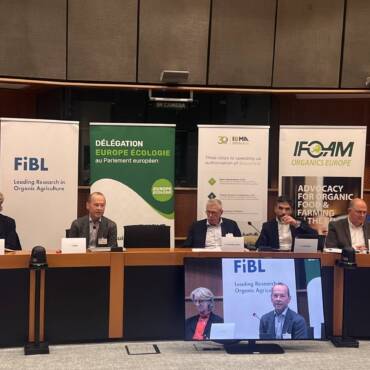
SCALE-it project kicks off with its first 3-day meeting
In mid-June, the project consortium gathered at FiBL Switzerland in…
Contrary to popular belief, Lorem Ipsum
Lorem Ipsum comes from sections 1.10.32 and 1.10.33 of “de…
Contrary to popular belief, Lorem Ipsum
Lorem Ipsum comes from sections 1.10.32 and 1.10.33 of “de…
Contrary to popular belief, Lorem Ipsum
Lorem Ipsum comes from sections 1.10.32 and 1.10.33 of “de…
Contrary to popular belief, Lorem Ipsum
Lorem Ipsum comes from sections 1.10.32 and 1.10.33 of “de…
Contrary to popular belief, Lorem Ipsum
Lorem Ipsum comes from sections 1.10.32 and 1.10.33 of “de…
Contrary to popular belief, Lorem Ipsum
Lorem Ipsum comes from sections 1.10.32 and 1.10.33 of “de…
Contrary to popular belief, Lorem Ipsum
Lorem Ipsum comes from sections 1.10.32 and 1.10.33 of “de…
Contrary to popular belief, Lorem Ipsum
Lorem Ipsum comes from sections 1.10.32 and 1.10.33 of “de…
Sign up to the Newsletter

By submitting to this newsletter, you agree that your personal data will be used solely
for the purpose of responding to your request.